

For centuries, Saint Kitts and Nevis have been known for their sugar cane plantations, with the crop playing a major role in the country’s economy. However, in recent years, the nation has shifted its focus from sugar cane to tourism, leading to an economic transformation that has resulted in a more prosperous future. In this blog post, we will take a look at the evolution of the economy of Saint Kitts and Nevis and explore how this shift has impacted the country and its people. Located in the Caribbean, the tiny twin-island nation of Saint Kitts and Nevis has undergone an amazing economic transformation over the past century. From a largely agrarian-based society dependent on the production of sugar cane as its main export, the country has since shifted to tourism as its primary economic driver. In this blog post, we will take a look at the evolution of the economy of Saint Kitts and Nevis and how it has managed to successfully transition from one industry to another. We will also explore the challenges and successes the country has faced along the way and the opportunities that lie ahead.
The Early Days: Sugar Cane & Slavery
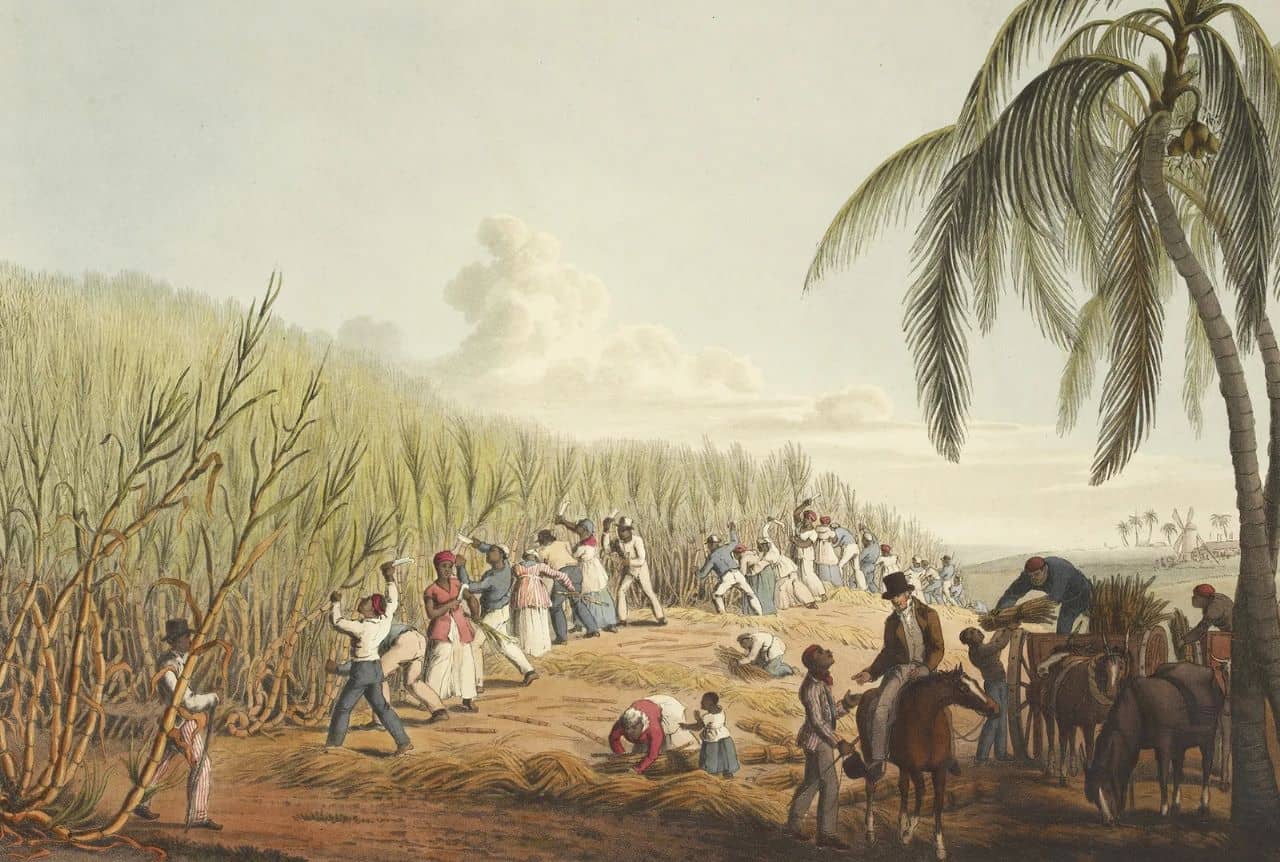
The Caribbean island nation of Saint Kitts and Nevis has had a long and complicated history. When the islands were first discovered by Europeans in the 16th century, they were populated by native Carib and Arawak peoples who had lived there for centuries. It was the British who first colonized the islands in the late 1600s and the original economy of Saint Kitts and Nevis revolved around sugar cane plantations. These large-scale plantations were worked by African slaves imported from other parts of the Caribbean or Africa itself. This period of slavery lasted for more than two centuries before finally coming to an end in 1834.
Although the economy of Saint Kitts and Nevis continued to be heavily reliant on sugar cane production for many years after the abolition of slavery, eventually it began to decline. The cost of labor, transportation, and other factors became too high for the industry to remain competitive with other parts of the Caribbean. As the sugar industry declined, the government began to look for new sources of economic growth. One such source was tourism.
The Decline of Sugar Cane and the Rise of Tourism
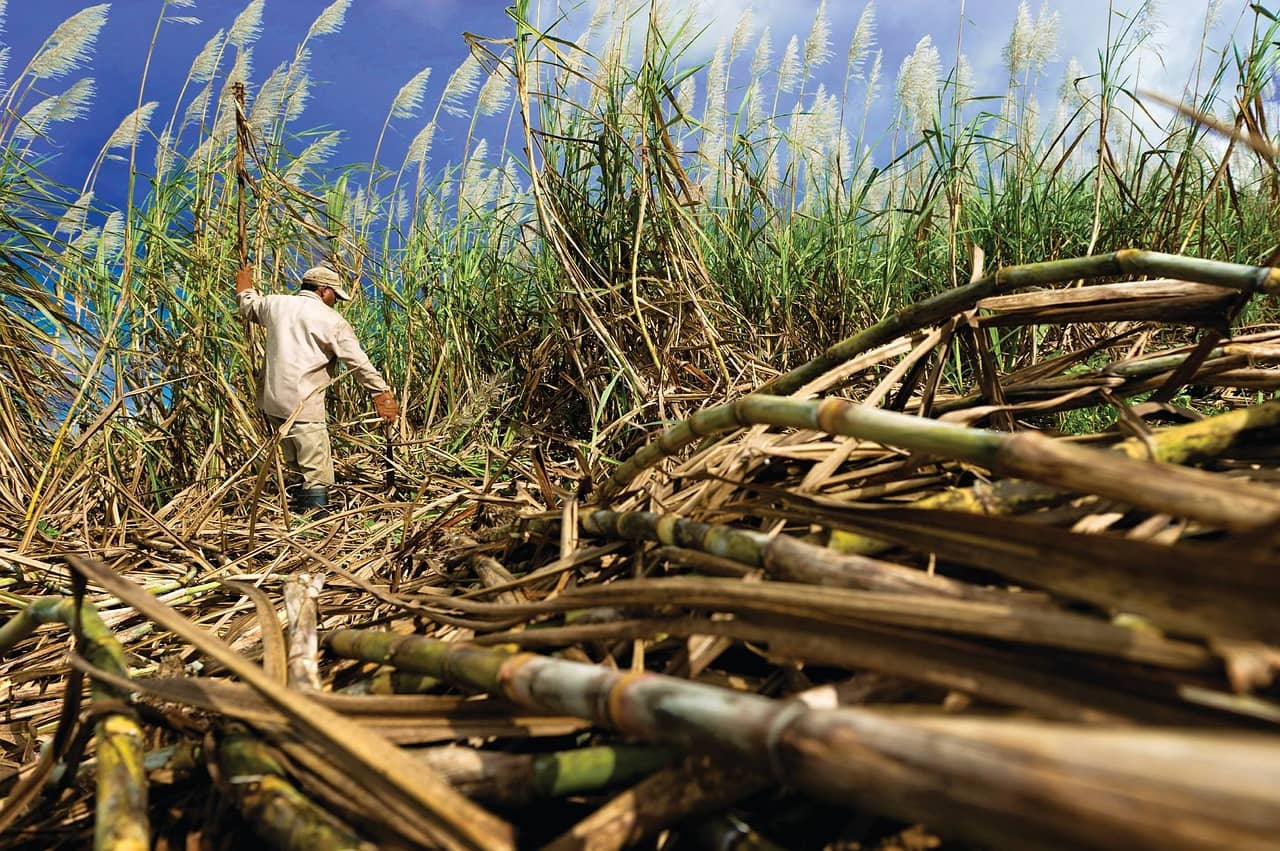
In the late 19th century, the sugar cane industry began to decline in Saint Kitts and Nevis. This was due to a number of factors, such as a decrease in global demand for sugar, increasing competition from other Caribbean countries, and the emancipation of slaves in 1834. As a result, Saint Kitts and Nevis experienced a significant decrease in its economic output.
In order to make up for the losses incurred due to the decline of the sugar cane industry, Saint Kitts and Nevis began to focus on tourism as its main source of income. It was during this time that the country began to develop its reputation as an attractive vacation destination, with white-sand beaches and lush forests providing an ideal setting for relaxation and exploration.
Tourism quickly began to provide much-needed employment and income opportunities for local people. The construction of hotels, guesthouses, and other tourism-related infrastructure created jobs and increased the country’s revenue. This further enabled the government to invest more in the improvement of education and healthcare services.
Today, tourism is one of the main contributors to the economy of Saint Kitts and Nevis, contributing major percentage of its GDP and providing a steady stream of foreign investment. The sector also continues to create much-needed jobs for local people, particularly in the hospitality and entertainment industries.
Developing Sugar Heritage Tourism
Sugar Heritage Attractions on St. Kitts:
St. Kitts Scenic Railway – Government/private partnership. Former sugar cane railway:
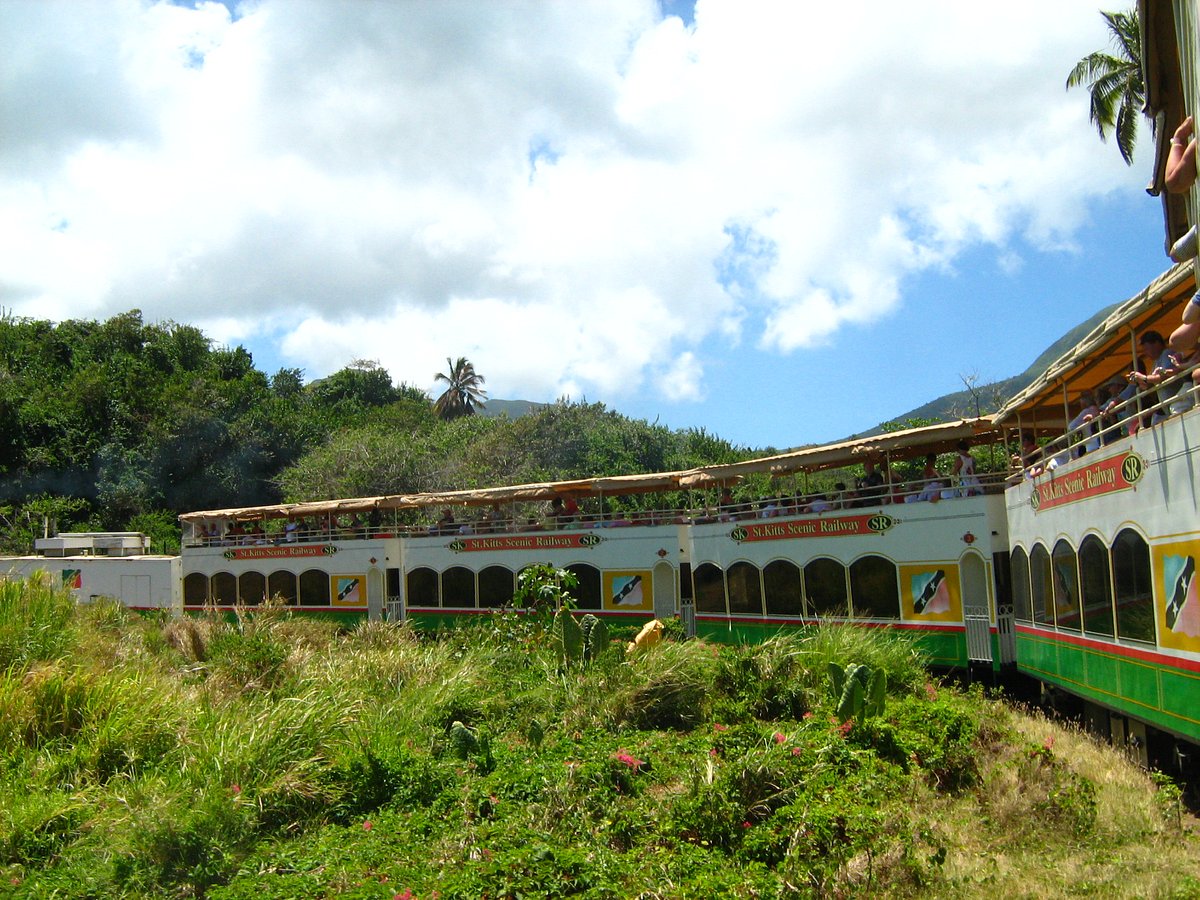
The St. Kitts Scenic Railway is a popular tourist attraction on the Caribbean island of St. Kitts. The railway is a government/private partnership that was developed from a former sugar cane railway. Today, the railway is a purpose-built tourist train tour product that takes visitors on a scenic journey around the island. The railway offers stunning views of the island’s lush landscapes, pristine beaches, and historic landmarks. The train’s carriages are designed to offer maximum comfort and convenience to passengers, and the tour includes an informative commentary on the island’s history, culture, and natural beauty. The St. Kitts Scenic Railway is a unique and memorable way to experience the beauty of St. Kitts, and it is a testament to the power of public-private partnerships in promoting sustainable tourism.
National Museum- Exhibits on the history of St. Kitts located in the Old Treasury:
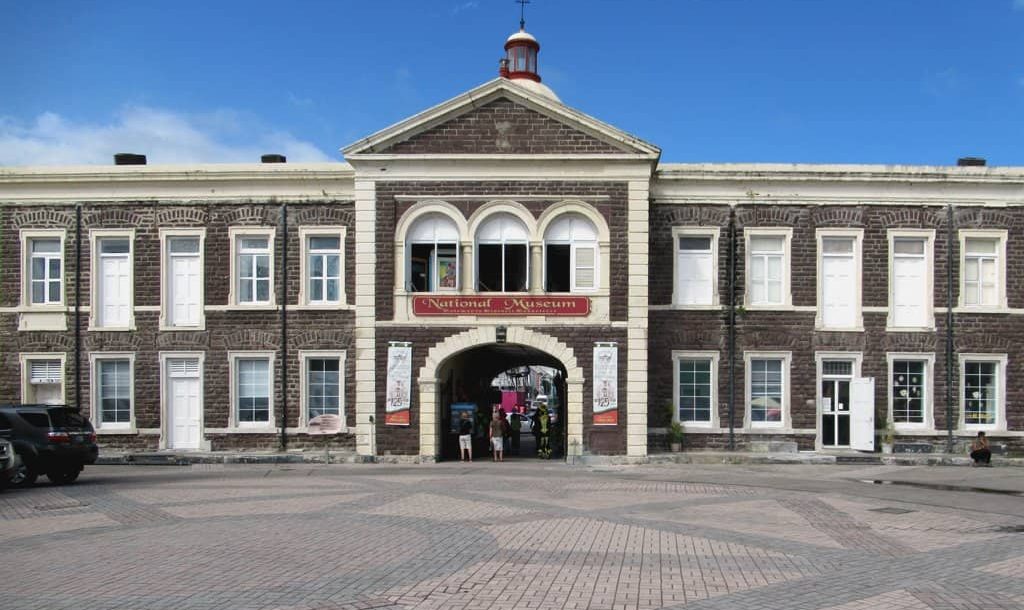
The National Museum of St. Kitts, located in the Old Treasury Building in Basseterre, is a treasure trove of history and culture. The museum features both permanent and temporary exhibitions that showcase the island’s rich past and present. The permanent exhibits include artifacts and displays that cover topics such as the island’s pre-Columbian history, colonial era, and independence. Visitors can view items such as pottery, tools, maps, and photographs that illustrate the island’s development over time. The museum also hosts temporary exhibits that focus on specific themes or events related to the island’s culture and history. These exhibits offer visitors a chance to learn more about the island’s traditions, art, music, and people. The National Museum of St. Kitts is a must-visit destination for anyone interested in exploring the island’s fascinating past and vibrant present.
Belmont Estate – Former sugar estate, government owned, not currently open to the public but proposed as the future National Agriculture and Sugar Museum.
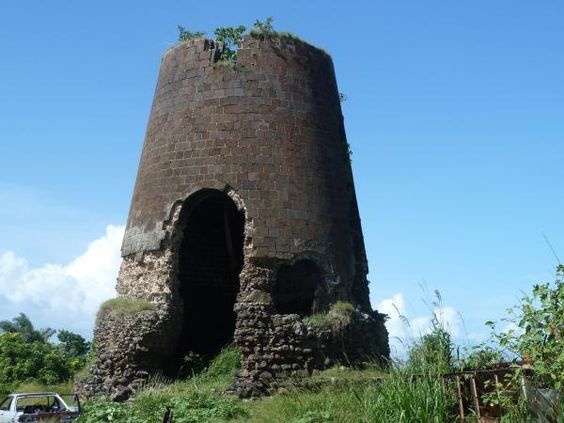
Belmont Estate is a former sugar estate located in on the northern part of the island side, in St. Paul , St.Kitts The estate was once a thriving plantation that produced sugarcane and other crops. Today, the estate is government-owned and is not currently open to the public. However, plans are in place to transform the estate into the future National Agriculture and Sugar Museum, which will showcase the island’s rich agricultural history and the importance of sugar production to the local economy. The museum will feature exhibits, displays, and interactive activities that highlight the evolution of agriculture on the island and the role that sugar production played in shaping St. Kitts ‘s economy and culture. The redevelopment of Belmont Estate is an exciting project that promises to be a valuable resource for visitors and locals alike, providing insights into the island’s past while highlighting its potential for the future.
Wingfield Estate – Former sugar plantation, privately owned and currently under development, interpretive signage and guided tours are available
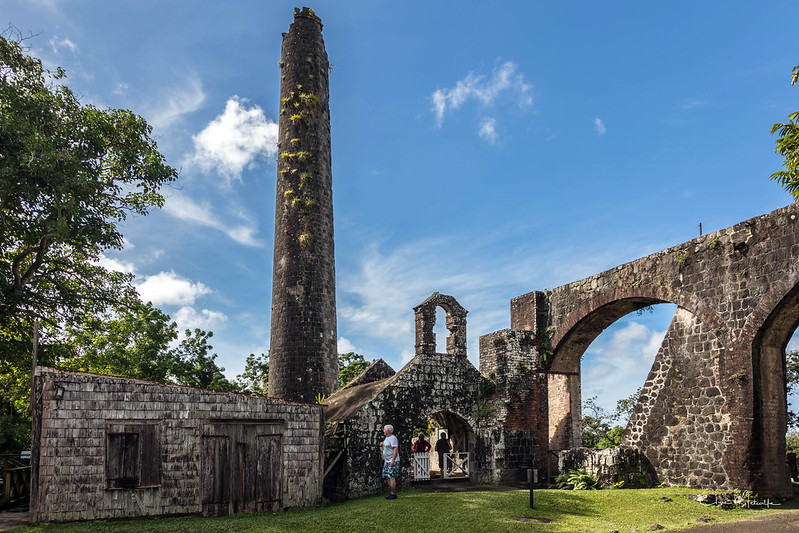
Wingfield Estate is a former sugar plantation located in St. Kitts, which is now privately owned and currently under development. The estate is a popular destination for visitors who are interested in learning about the island’s colonial past and the history of sugar production. The estate features interpretive signage and guided tours that provide insights into the daily lives of enslaved people who worked on the plantation, as well as the process of sugar production. Visitors can explore the estate’s historic ruins, which include a sugar mill, boiling house, and other buildings that were once central to the plantation’s operation. The redevelopment of Wingfield Estate is a significant effort to preserve the island’s cultural heritage while promoting sustainable tourism. The estate is a fascinating destination that offers visitors a chance to step back in time and learn about the history of St. Kitts.
Romney Manor – Romney Manor, site of Caribelle Batik, early plantation house for the Romney Plantation adjoining Wingfield Estate
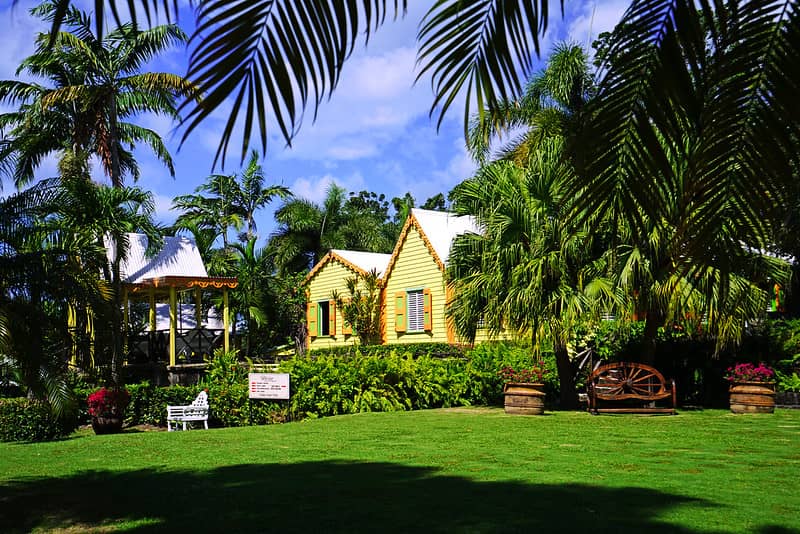
Romney Manor is a historic site in St. Kitts that was once the early plantation house for the Romney Plantation, which adjoins the Wingfield Estate. Today, the manor is best known as the site of Caribelle Batik, a popular attraction that offers visitors a chance to see the traditional art of batik printing in action. The manor’s grounds are also home to beautiful gardens that feature a wide variety of tropical plants and flowers. Visitors can take guided tours of the gardens and learn about the history of the plantation and the batik-making process. Romney Manor is a fascinating destination that offers visitors a chance to explore the island’s rich history and culture, while enjoying its natural beauty.
Hospitality Establishments in St. Kitts on Former Sugar Plantations :
Ottley’s Plantation Inn – Great House – Accommodations Sugar Boiling House – Dining
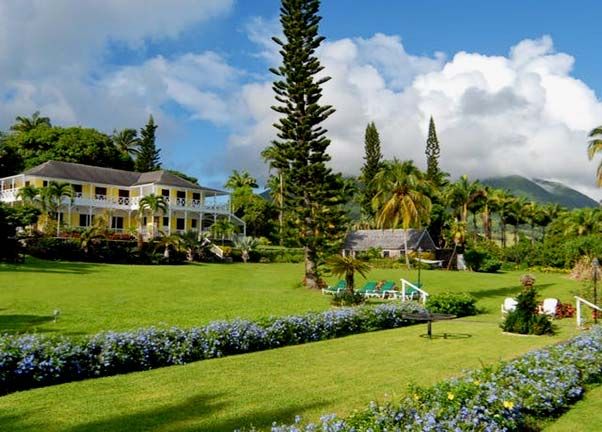
Ottley’s Plantation Inn is a historic property located in St. Kitts, which was once a working sugar plantation. Today, the property has been transformed into an elegant inn that offers guests a chance to experience the island’s colonial past. The Great House, which dates back to the 18th century, serves as the centerpiece of the property and has been restored to its former grandeur. The inn features luxurious accommodations that are set amidst beautifully landscaped gardens, which offer stunning views of the surrounding hills and the Caribbean Sea. The Sugar Boiling House, which was once used to process sugar cane, now serves as a venue for special events and dining. Guests can enjoy delicious cuisine that features locally sourced ingredients, while soaking in the ambiance of the historic property. Ottley’s Plantation Inn is a unique destination that combines history, luxury, and natural beauty to create a truly unforgettable experience.
Rawlins Plantation Inn – Great House – Accommodations , Sugar Mill Ruin – Accommodations
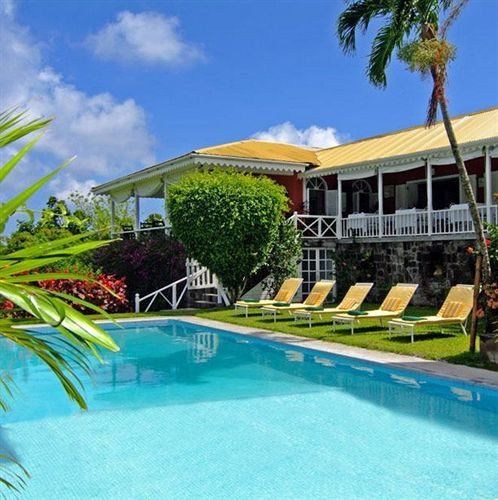
Colonel Charles Walwyn and his wife Enid at home on the Rawlins Plantation at the foot of Mount Liamuiga (formerly Mount Misery), in St Kitts, 1984. The property belongs to decendants of the original English residents and is now owned by their son Philip Walwyn. (Photo by Slim Aarons/Hulton Archive/Getty Images)[/caption]
Rawlins Plantation Inn is a charming property located in St. Kitts, which was once a working sugar plantation. The property features a Great House that dates back to the 17th century, which has been restored to its former grandeur and now serves as the centerpiece of the inn. The inn offers luxurious accommodations that are set amidst beautifully landscaped gardens, which offer stunning views of the surrounding hills and the Caribbean Sea. Additionally, Rawlins Plantation Inn is unique in that it offers accommodations in a Sugar Mill Ruin, which has been converted into a cozy and intimate guest room. Guests can explore the property’s historic ruins, which include a sugar mill, boiling house, and other buildings that were once central to the plantation’s operation. Rawlins Plantation Inn is a wonderful destination that offers guests a chance to experience the island’s colonial past, while enjoying its natural beauty and luxurious accommodations.
Fairview Great House and Botanical Garden – Great House – Dining & Interpretation Chapel – Private Conference/Dining Room
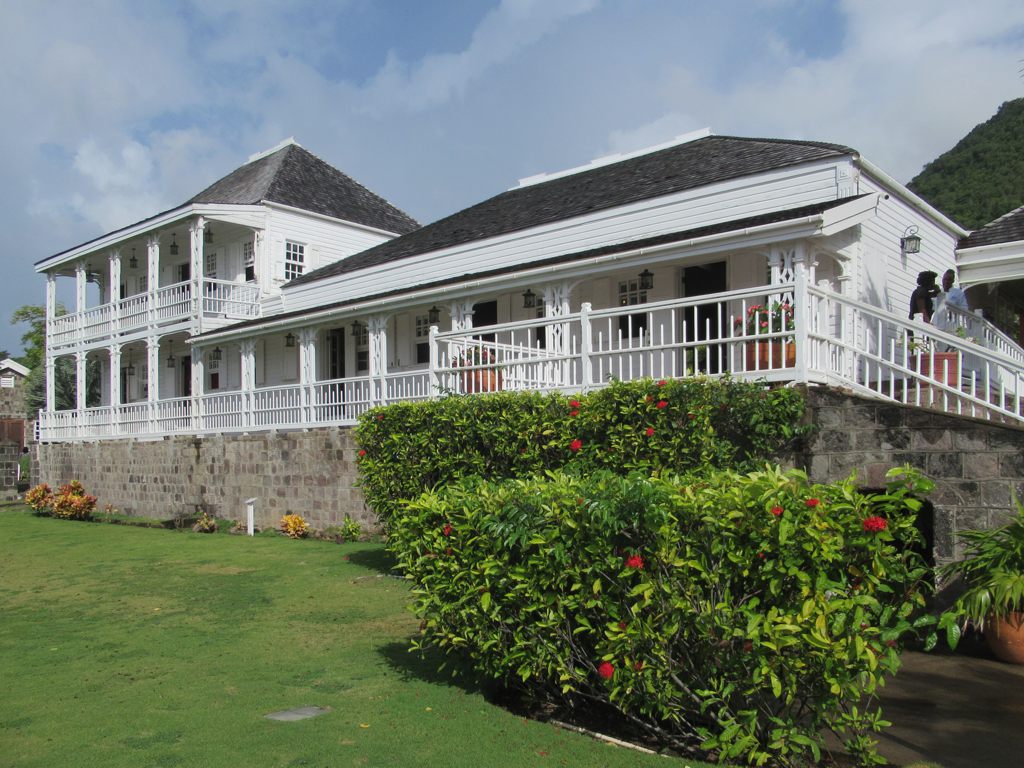
Fairview Great House and Botanical Garden is a historic property located in St. Kitts that dates back to the 18th century. The Great House has been restored to its former grandeur and serves as a centerpiece of the property, which also features beautifully landscaped gardens that are home to a wide variety of tropical plants and flowers. The property’s dining facilities offer delicious cuisine that features locally sourced ingredients, while the interpretation chapel provides insights into the island’s rich cultural history. Additionally, Fairview Great House and Botanical Garden offers a private conference and dining room that is ideal for special events and corporate retreats. The property’s combination of historic charm, natural beauty, and modern amenities make it a popular destination for visitors who are looking for a unique and unforgettable experience in St. Kitts.
The modern economy of Saint Kitts and Nevis
Today, the economy of Saint Kitts and Nevis is driven primarily by tourism, which accounts for the largest share of GDP.
The country’s strategic location in the Caribbean has made it an attractive destination for international business, particularly within the financial services sector. As a result, Saint Kitts and Nevis has become a major hub for international investments, with over 50 countries using it as a tax haven.
In addition to tourism the country is developing a number of new industries such as small scale handcraft and agriculture products . The government is actively encouraging foreign direct investment to spur economic growth and create jobs for its citizens. In recent years, there has been an influx of foreign investments in areas such as construction and manufacturing.
The government is also actively promoting sustainable development initiatives, particularly in renewable energy and organic farming. It is committed to creating a strong and diversified economy that will benefit future generations. With its beautiful beaches, rich culture, and friendly people, Saint Kitts and Nevis is a great place to invest in the future.
The future of the economy of Saint Kitts and Nevis

Saint Kitts and Nevis is determined to secure its economic future by diversifying its sources of income. The government is investing in renewable energy initiatives, such as solar power plant , which has the potential to provide the nation with clean, reliable, and sustainable energy. It is also looking to expand its tourism industry by targeting high-end travelers and promoting ecotourism projects.
In addition to these initiatives, the government is looking to strengthen its trade and commerce by developing a modern port and establishing links to major global markets. There are plans to attract foreign direct investment through tax incentives, improving infrastructure and access to global markets, and encouraging research and development.
Ultimately, the future of the economy of Saint Kitts and Nevis lies in the ability of the government to foster a business-friendly environment, create a vibrant entrepreneurial ecosystem, and ensure the population has access to quality education and employment opportunities. With a focus on diversifying its sources of income, it looks like Saint Kitts and Nevis has a bright future ahead of it.